
Ce printemps, les oiseaux chantent librement.
Aidez Oiseaux.net à rester libre, gratuit et sans pub.
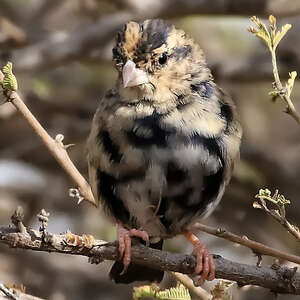
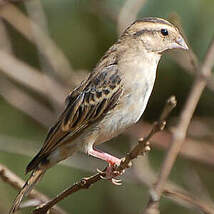
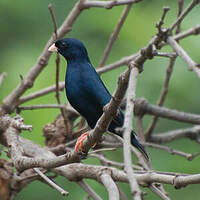
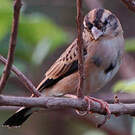
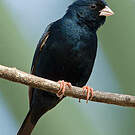
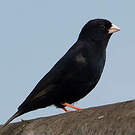
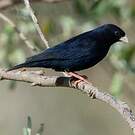
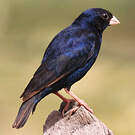
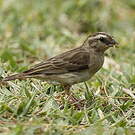
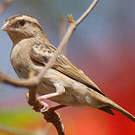
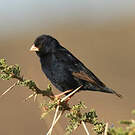
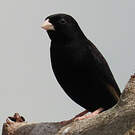
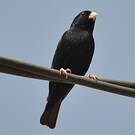
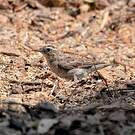
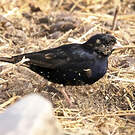
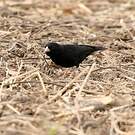
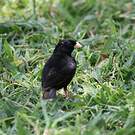
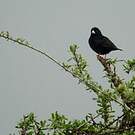
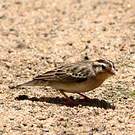
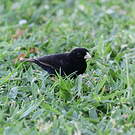
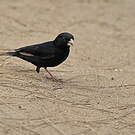
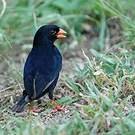
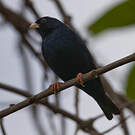
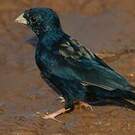
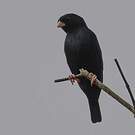
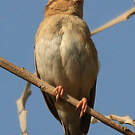
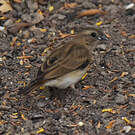
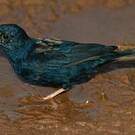
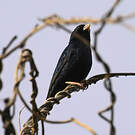
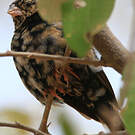
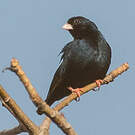
Village Indigobird
Vidua chalybeata - Combassou du Sénégal
Systematics
-
Order:
Passeriformes
-
Family:
Viduidés
-
Genus:
Vidua
-
Species:
chalybeata
Descriptor
Biometrics
- Size: 11 cm
- Wingspan: -
- Weight: 12 g
Longevity
8 years
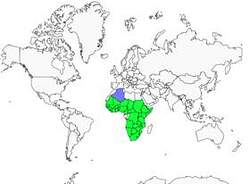
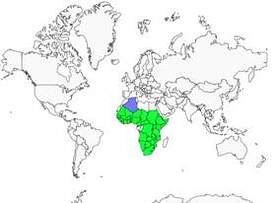
Geographic range
Identification
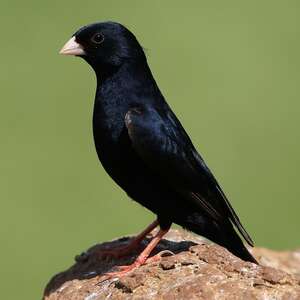
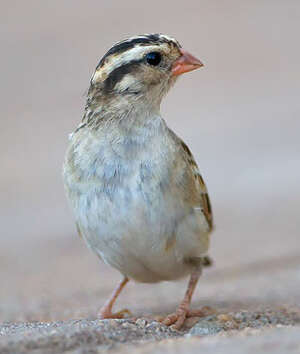
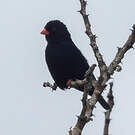
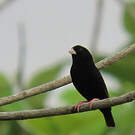
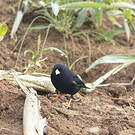
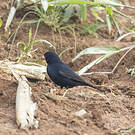
Village Indigobird (Vidua chalybeata) is a species of bird in the Viduidae family.
Subspecific information 6 subspecies
- Vidua chalybeata chalybeata (s Mauritania to Sierra Leone)
- Vidua chalybeata neumanni (Mali to Sudan)
- Vidua chalybeata ultramarina (Ethiopia and Eritrea)
- Vidua chalybeata centralis (e DRCongo, Uganda, c Kenya and c Tanzania)
- Vidua chalybeata amauropteryx (s Somalia to Mozambique and inland to e Zambia, Malawi, Zimbabwe and e South Africa)
- Vidua chalybeata okavangoensis (Angola and n Namibia to w Zambia and n Botswana)
Foreign names
- Combassou du Sénégal,
- Viuda senegalesa,
- viúva-azul,
- Rotfußwitwe,
- piroslábú atlaszvida,
- Staalvink,
- Vedova dei villaggi,
- byänka,
- Landsbyenke,
- vdovka zamatová,
- atlásek malý,
- Atlaskfinke,
- kyläleski,
- Staalblouvinkie,
- vídua del Senegal,
- wdówka atłasowa,
- Красноногая вдовушка,
- シコンチョウ,
- 靛蓝维达雀,
- byänka,
- 靛藍維達雀,
Habitat
Savanna : Dry ; Shrubland : Subtropical/Tropical Dry ; Artificial/Terrestrial : Arable Land, Pastureland, Plantations, Rural Gardens
Threats - protection
IUCN conservation status
Extinct
Threatened
Least
concern
concern
Extinc
in the Wild
in the Wild
Near
threatened
threatened
Not
evaluated
evaluated
EX
EW
CR
EN
VU
NT
LC
NE
Sources of information
- IOC World Bird List (v15.1), Gill, F and D Donsker (Eds). 2025-12-07.
Other sources of interest

- Accipitriformes
- Aegotheliformes
- Anseriformes
- Apodiformes
- Apterygiformes
- Bucerotiformes
- Caprimulgiformes
- Cariamiformes
- Casuariiformes
- Charadriiformes
- Ciconiiformes
- Coliiformes
- Columbiformes
- Coraciiformes
- Cuculiformes
- Eurypygiformes
- Falconiformes
- Galliformes
- Gaviiformes
- Gruiformes
- Leptosomiformes
- Mesitornithiformes
- Musophagiformes
- Nyctibiiformes
- Opisthocomiformes
- Otidiformes
- Passeriformes
- Pelecaniformes
- Phaethontiformes
- Phoenicopteriformes
- Piciformes
- Podargiformes
- Podicipediformes
- Procellariiformes
- Psittaciformes
- Pterocliformes
- Rheiformes
- Sphenisciformes
- Steatornithiformes
- Strigiformes
- Struthioniformes
- Suliformes
- Tinamiformes
- Trogoniformes