
Ce printemps, les oiseaux chantent librement.
Aidez Oiseaux.net à rester libre, gratuit et sans pub.
Tui
Prosthemadera novaeseelandiae - Tui cravate-frisée Méliphage tui
Systematics
-
Order:
Passeriformes
-
Family:
Méliphagidés
-
Genus:
Prosthemadera
-
Species:
novaeseelandiae
Descriptor
Biometrics
- Size: 32 cm
- Wingspan: -
- Weight: 105 g
Longevity
14 years
Geographic range
Identification
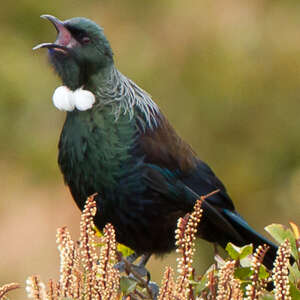
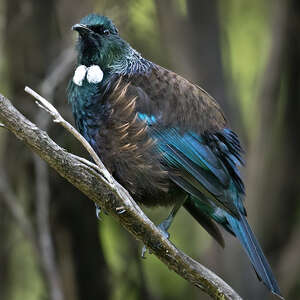
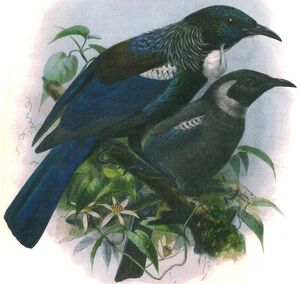
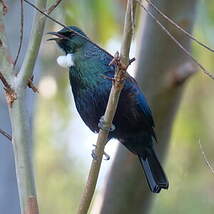
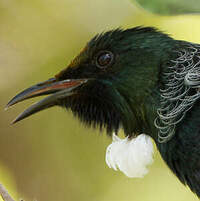
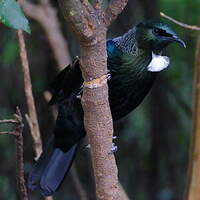
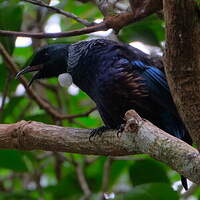
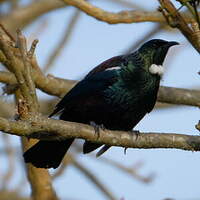
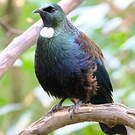
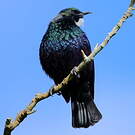
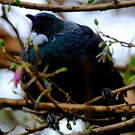
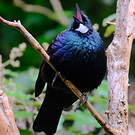
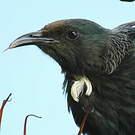
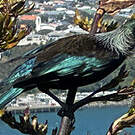
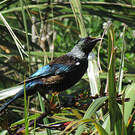
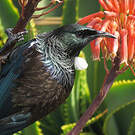
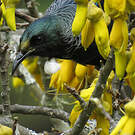
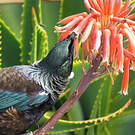
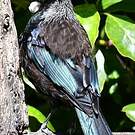
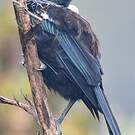
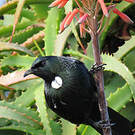
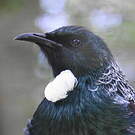
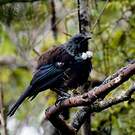
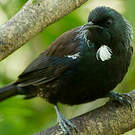
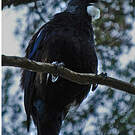
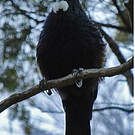
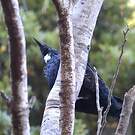
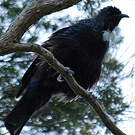
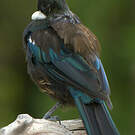
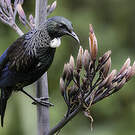
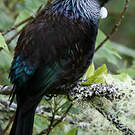
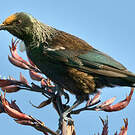
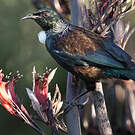
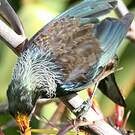
Unmissable! In nature, the tie (really two tufts of white feathers under the throat) stands out well from the totally dark plumage, appearing black at a distance. In fact, the plumage is of a very dark olive green with purple reflections on the head. Curious filamentous white feathers cover the neck. The remiges are black with beautiful bluish reflections. The eye is red, the legs bluish, the beak black. The two sexes are similar. The young have a duller plumage without white feathers under the throat or on the neck.
Subspecific information 2 subspecies
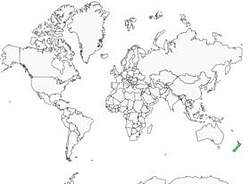
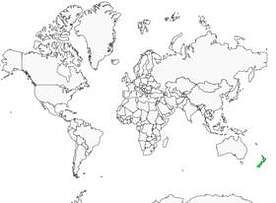
- Prosthemadera novaeseelandiae novaeseelandiae (New Zealand, Auckland, Stewart and Kermadec Is.)
- Prosthemadera novaeseelandiae chathamensis (Chatham Is.)
Foreign names
- Tui cravate-frisée,
- Mielero tui,
- papa-mel-azulado,
- Tuihonigfresser,
- tui,
- Toei,
- Tui,
- tui,
- Tuihonningeter,
- medárik kazateľ,
- tui zpěvný,
- Præstefugl,
- tui,
- menjamel tui,
- kędziornik,
- Новозеландский туи,
- エリマキミツスイ,
- 簇胸吸蜜鸟,
- tui,
- 紐西蘭吸蜜鳥,
Voice song and call
Habitat
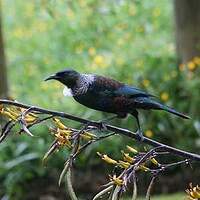
Essentially the native forests but also the agricultural regions where we find Sephora or the New Zealand flax. Like the bellbird, I was able to spot them in the parks in the Auckland region.
Behaviour character trait
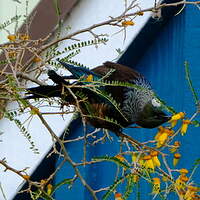
The species is typically regarded as sedentary, but it does perform more or less regular post-breeding movements. As such, Tuis disappear from Tiritiri Matangi Island after the breeding season, heading to the nearby large North Island.
Dietfeeding habits
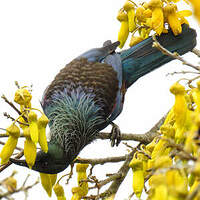
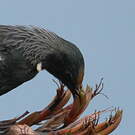
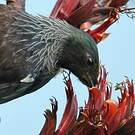
Tui mostly consumes nectar and honey to which it adds invertebrates, seeds and fruits depending on the season. It usually looks for food either alone or in pairs, primarily in the canopy or just below it. After the breeding season, large groups of Tui can be seen in places where food is abundant.
Reproduction nesting
The beginning of reproduction coincides with the start of nectar production by native vegetation, particularly New Zealand flax (Phormium tenax).
Geographic range
Threats - protection
IUCN conservation status
concern
in the Wild
threatened
evaluated
The Tui seems unconcerned. However, its population has decreased throughout the 20th century, decrease likely due to various factors such as deforestation, introduction of predatory mammals, as well as competing birds such as the Blackbird, the Starling, or the Rainbow Lorikeet.
Sources of information
- IOC World Bird List (v15.1), Gill, F and D Donsker (Eds). 2025-12-07.
- The hand guide to the birds of New Zealand, Robertson Hugh et Heather Barrie
- Vol 13- Handbook of the birds of the world, del Hoyo J., Elliott A. Christie D.
- xeno-canto, Sharing bird sounds from around the world,
Other sources of interest
 Specification sheet created on
01/08/2023 by Georges Olioso
Specification sheet created on
01/08/2023 by Georges OliosoTranslation by AI Oiseaux.net
© 1996-2026 Oiseaux.net
- Accipitriformes
- Aegotheliformes
- Anseriformes
- Apodiformes
- Apterygiformes
- Bucerotiformes
- Caprimulgiformes
- Cariamiformes
- Casuariiformes
- Charadriiformes
- Ciconiiformes
- Coliiformes
- Columbiformes
- Coraciiformes
- Cuculiformes
- Eurypygiformes
- Falconiformes
- Galliformes
- Gaviiformes
- Gruiformes
- Leptosomiformes
- Mesitornithiformes
- Musophagiformes
- Nyctibiiformes
- Opisthocomiformes
- Otidiformes
- Passeriformes
- Pelecaniformes
- Phaethontiformes
- Phoenicopteriformes
- Piciformes
- Podargiformes
- Podicipediformes
- Procellariiformes
- Psittaciformes
- Pterocliformes
- Rheiformes
- Sphenisciformes
- Steatornithiformes
- Strigiformes
- Struthioniformes
- Suliformes
- Tinamiformes
- Trogoniformes