
Ce printemps, les oiseaux chantent librement.
Aidez Oiseaux.net à rester libre, gratuit et sans pub.
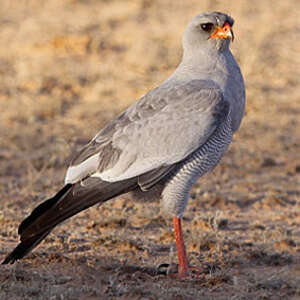
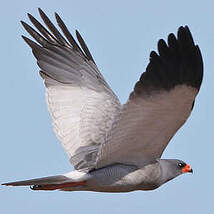
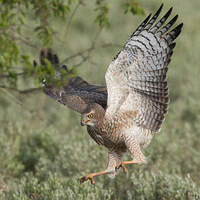
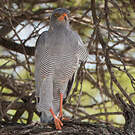
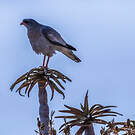
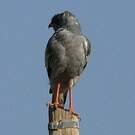
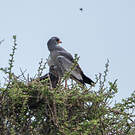
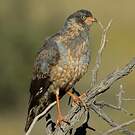
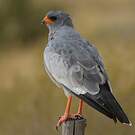
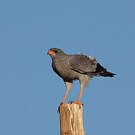
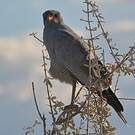
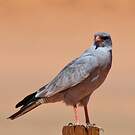
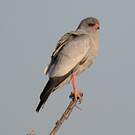
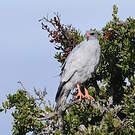
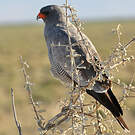
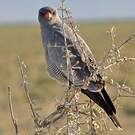
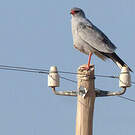
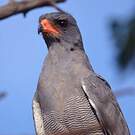
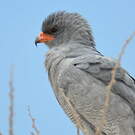
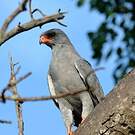
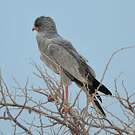
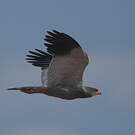
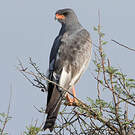
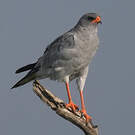
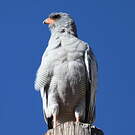
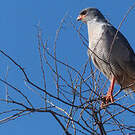
Pale Chanting Goshawk
Melierax canorus - Autour chanteur
Systematics
-
Order:
Accipitriformes
-
Family:
Accipitridés
-
Genus:
Melierax
-
Species:
canorus
Descriptor
Biometrics
- Size: 60 cm
- Wingspan: 102 à 123 cm.
- Weight: 654 à 750 g
Longevity
19 years
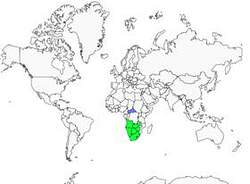
Geographic range
Identification
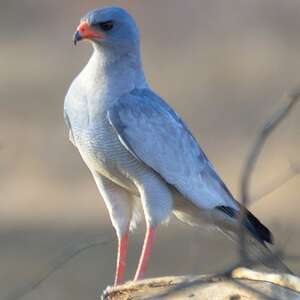
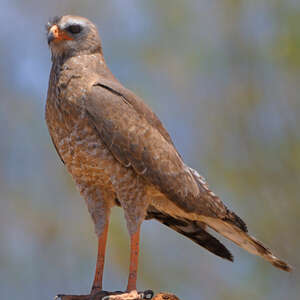
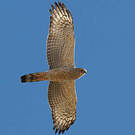
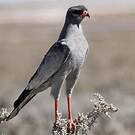
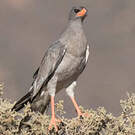
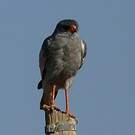
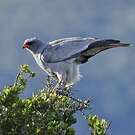
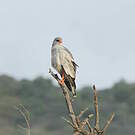
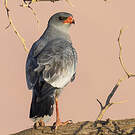
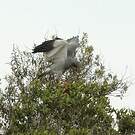
Pale Chanting Goshawk (Melierax canorus) is a species of bird in the Accipitridae family.
Subspecific information 2 subspecies
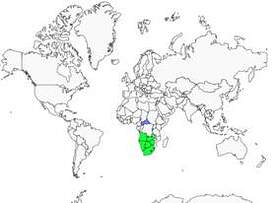
- Melierax canorus canorus (w, s South Africa)
- Melierax canorus argentior (sw Angola to n South Africa)
Foreign names
- Autour chanteur,
- Azor lagartijero claro,
- açor-cantor-pálido,
- Silbersinghabicht,
- fakó énekeshéja,
- Zanghavik,
- Astore cantante chiaro,
- blek sånghök,
- Bleksanghauk,
- jastrabec sivý,
- jestřáb kukačkovitý,
- Lys Sanghøg,
- kapinlauluhaukka,
- Bleeksingvalk,
- astor cantaire pàl·lid,
- jastrzębiak jasny,
- Светлый певчий ястреб,
- コシジロウタオオタカ,
- 淡色歌鹰,
- blek sånghök,
- 淡色歌鷹,
Habitat
Savanna : Dry ; Shrubland : Subtropical/Tropical Dry ; Grassland : Subtropical/Tropical Dry ; Desert : Hot
Threats - protection
IUCN conservation status
Extinct
Threatened
Least
concern
concern
Extinc
in the Wild
in the Wild
Near
threatened
threatened
Not
evaluated
evaluated
EX
EW
CR
EN
VU
NT
LC
NE

Sources of information
- Raptors of the World, a field guide, Ferguson-Lees James et Christie David
- Vol. 2 - Handbook of the Birds of the World, Josep del Hoyo-Andrew Elliot--Jordi Sargatal
- ARKive, Christopher Parsons
- Avibase, Lepage Denis
- BirdLife International, BirdLife International
- Global Raptor Information Network,
- Birds of Prey of Africa and its Islands, Alan and Meg Kemp
- Wikipédia, Wikipedia, The Free Encyclopedia
- IOC World Bird List (v15.1), Gill, F and D Donsker (Eds). 2025-12-07.
Other sources of interest

- Accipitriformes
- Aegotheliformes
- Anseriformes
- Apodiformes
- Apterygiformes
- Bucerotiformes
- Caprimulgiformes
- Cariamiformes
- Casuariiformes
- Charadriiformes
- Ciconiiformes
- Coliiformes
- Columbiformes
- Coraciiformes
- Cuculiformes
- Eurypygiformes
- Falconiformes
- Galliformes
- Gaviiformes
- Gruiformes
- Leptosomiformes
- Mesitornithiformes
- Musophagiformes
- Nyctibiiformes
- Opisthocomiformes
- Otidiformes
- Passeriformes
- Pelecaniformes
- Phaethontiformes
- Phoenicopteriformes
- Piciformes
- Podargiformes
- Podicipediformes
- Procellariiformes
- Psittaciformes
- Pterocliformes
- Rheiformes
- Sphenisciformes
- Steatornithiformes
- Strigiformes
- Struthioniformes
- Suliformes
- Tinamiformes
- Trogoniformes