
Ce printemps, les oiseaux chantent librement.
Aidez Oiseaux.net à rester libre, gratuit et sans pub.
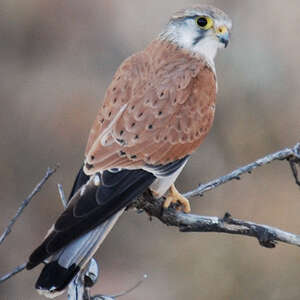
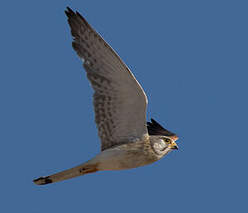
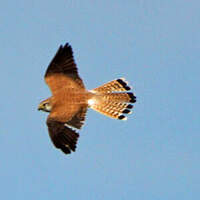
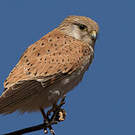
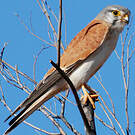
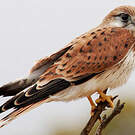
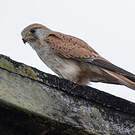
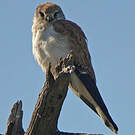
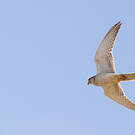
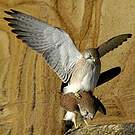
Nankeen Kestrel
Falco cenchroides - Crécerelle d'Australie
Systematics
-
Order:
Falconiformes
-
Family:
Falconidés
-
Genus:
Falco
-
Species:
cenchroides
Descriptor
Biometrics
- Size: 35 cm
- Wingspan: 66 à 78 cm.
- Weight: 170 à 174 g
Longevity
12 years
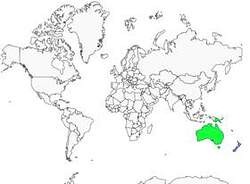
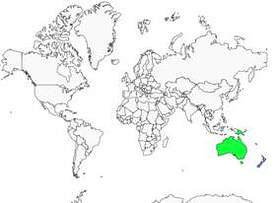
Geographic range
Identification
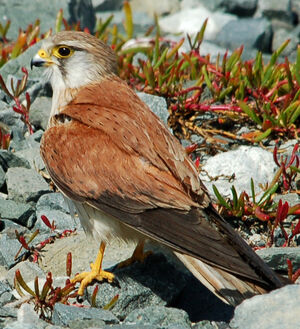
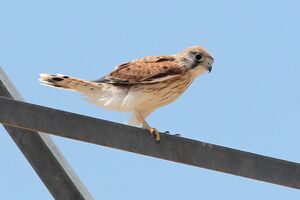
Nankeen Kestrel (Falco cenchroides) is a species of bird in the Falconidae family.
Subspecific information 2 subspecies
- Falco cenchroides cenchroides (Australia, Tasmania, Lord Howe Is., Norfolk Is.)
- Falco cenchroides baru (Snow Mts.. wc New Guinea.)
Foreign names
- Crécerelle d'Australie,
- Cernícalo australiano,
- peneireiro-australiano,
- Graubartfalke,
- ausztrál vércse,
- Australische Torenvalk,
- Gheppio australiano,
- nankinfalk,
- Australfalk,
- sokol bledohlavý,
- poštolka australská,
- Australsk Tårnfalk,
- australiantuulihaukka,
- xoriguer australià,
- pustułka australijska,
- Седобородая пустельга,
- Alap-alap layang,
- オーストラリアチョウゲンボウ,
- 澳洲隼,
- nankinfalk,
- 澳洲隼,
Habitat
Forest : Temperate ; Savanna : Dry ; Grassland : Temperate ; Marine Intertidal : Rocky Shoreline, Sandy Shoreline and/or Beaches, Sand Bars, Spits, Etc, Shingle and/or Pebble Shoreline and/or Beaches ; Marine Coastal/Supratidal : Sea Cliffs and Rocky Offshore Islands ; Artificial/Terrestrial : Arable Land, Urban Areas
Threats - protection
IUCN conservation status
Extinct
Threatened
Least
concern
concern
Extinc
in the Wild
in the Wild
Near
threatened
threatened
Not
evaluated
evaluated
EX
EW
CR
EN
VU
NT
LC
NE
Sources of information
- IOC World Bird List (v15.1), Gill, F and D Donsker (Eds). 2025-12-07.
Other sources of interest

- Accipitriformes
- Aegotheliformes
- Anseriformes
- Apodiformes
- Apterygiformes
- Bucerotiformes
- Caprimulgiformes
- Cariamiformes
- Casuariiformes
- Charadriiformes
- Ciconiiformes
- Coliiformes
- Columbiformes
- Coraciiformes
- Cuculiformes
- Eurypygiformes
- Falconiformes
- Galliformes
- Gaviiformes
- Gruiformes
- Leptosomiformes
- Mesitornithiformes
- Musophagiformes
- Nyctibiiformes
- Opisthocomiformes
- Otidiformes
- Passeriformes
- Pelecaniformes
- Phaethontiformes
- Phoenicopteriformes
- Piciformes
- Podargiformes
- Podicipediformes
- Procellariiformes
- Psittaciformes
- Pterocliformes
- Rheiformes
- Sphenisciformes
- Steatornithiformes
- Strigiformes
- Struthioniformes
- Suliformes
- Tinamiformes
- Trogoniformes