
Ce printemps, les oiseaux chantent librement.
Aidez Oiseaux.net à rester libre, gratuit et sans pub.
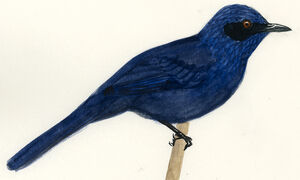
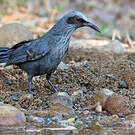
Blue Mockingbird
Melanotis caerulescens - Moqueur bleu
Systematics
-
Order:
Passeriformes
-
Family:
Mimidés
-
Genus:
Melanotis
-
Species:
caerulescens
Descriptor
Biometrics
- Size: 27 cm
- Wingspan: 33 à 39 cm.
- Weight: 61 à 69 g
Longevity
11 years
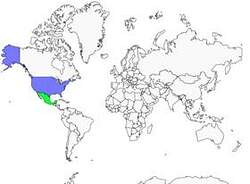
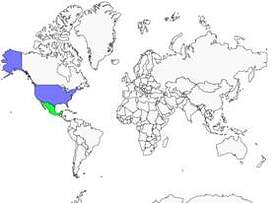
Geographic range
Identification
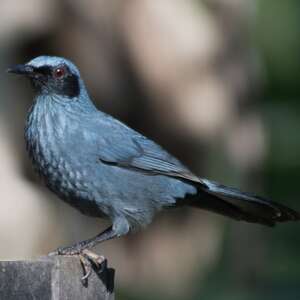
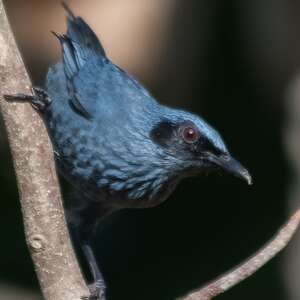
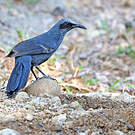
Blue Mockingbird (Melanotis caerulescens) is a species of bird in the Mimidae family.
Subspecific information 2 subspecies
- Melanotis caerulescens caerulescens (c and s Mexico)
- Melanotis caerulescens longirostris (Tres Marias I.. off w Mexico.)
Foreign names
- Moqueur bleu,
- Mulato azul,
- mulato-azul,
- Blauspottdrossel,
- kék gezerigó,
- Blauwe Spotlijster,
- Mimo azzurro,
- blå härmtrast,
- Blåspottefugl,
- drozdec modrý,
- drozdec modrý,
- Blå Spottedrossel,
- sinimatkija,
- mim blau,
- przedrzeźniacz błękitny,
- Синий черноухий пересмешник,
- アオマネシツグミ,
- 蓝嘲鸫,
- blå härmtrast,
- 藍嘲鶇,
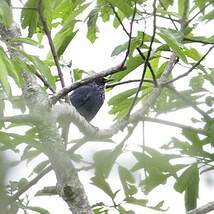
Habitat
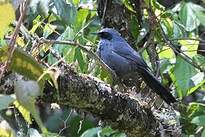
Forest : Subtropical/Tropical Dry, Subtropical/Tropical Moist Montane ; Shrubland : Subtropical/Tropical Dry, Subtropical/Tropical Moist ; Artificial/Terrestrial : Subtropical/Tropical Heavily Degraded Former Forest
Threats - protection
IUCN conservation status
Extinct
Threatened
Least
concern
concern
Extinc
in the Wild
in the Wild
Near
threatened
threatened
Not
evaluated
evaluated
EX
EW
CR
EN
VU
NT
LC
NE
Sources of information
- Avibase, Lepage Denis
- Audubon,
- Wrens, dippers and thrashers, Brewer David, McKay Barry Kent
- Handbook of the birds of the world Vol.14, josep del Hoyo
- BirdLife International, BirdLife International
- IOC World Bird List (v15.1), Gill, F and D Donsker (Eds). 2025-12-07.
Other sources of interest

- Accipitriformes
- Aegotheliformes
- Anseriformes
- Apodiformes
- Apterygiformes
- Bucerotiformes
- Caprimulgiformes
- Cariamiformes
- Casuariiformes
- Charadriiformes
- Ciconiiformes
- Coliiformes
- Columbiformes
- Coraciiformes
- Cuculiformes
- Eurypygiformes
- Falconiformes
- Galliformes
- Gaviiformes
- Gruiformes
- Leptosomiformes
- Mesitornithiformes
- Musophagiformes
- Nyctibiiformes
- Opisthocomiformes
- Otidiformes
- Passeriformes
- Pelecaniformes
- Phaethontiformes
- Phoenicopteriformes
- Piciformes
- Podargiformes
- Podicipediformes
- Procellariiformes
- Psittaciformes
- Pterocliformes
- Rheiformes
- Sphenisciformes
- Steatornithiformes
- Strigiformes
- Struthioniformes
- Suliformes
- Tinamiformes
- Trogoniformes