
Ce printemps, les oiseaux chantent librement.
Aidez Oiseaux.net à rester libre, gratuit et sans pub.
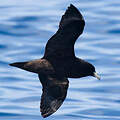
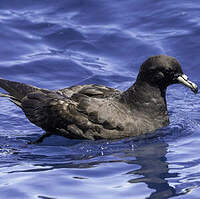
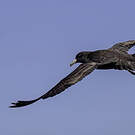
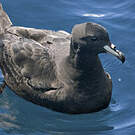
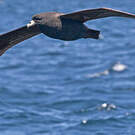
Black Petrel
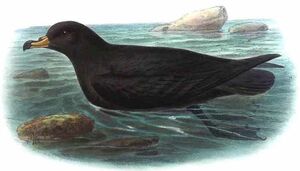
Procellaria parkinsoni - Puffin de Parkinson
Systematics
-
Order:
Procellariiformes
-
Family:
Procellariidés
-
Genus:
Procellaria
-
Species:
parkinsoni
Descriptor
Biometrics
- Size: 46 cm
- Wingspan: 115 cm.
- Weight: 680 à 720 g
Longevity
22 years
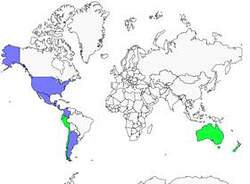
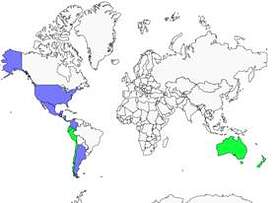
Geographic range
Identification
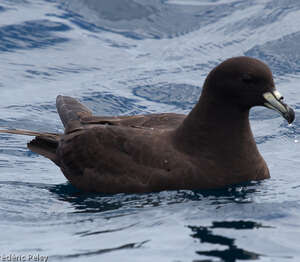
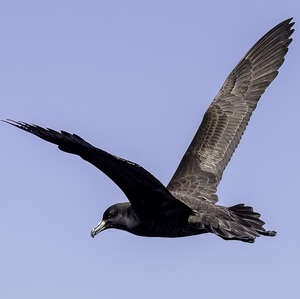
Black Petrel (Procellaria parkinsoni) is a species of bird in the Procellariidae family.
Subspecific information monotypic species
Foreign names
- Puffin de Parkinson,
- Pardela de Parkinson,
- pardela-preta-setentrional,
- Schwarzsturmvogel,
- fekete viharmadár,
- Zwarte Stormvogel,
- Petrello di Parkinson,
- mindre sotpetrell,
- Fjellpetrell,
- víchrovník čierny,
- buřňák Parkinsonův,
- Sort Skråpe,
- tummameriliitäjä,
- baldriga de Parkinson,
- burzyk czarny,
- Чёрный буревестник,
- クロミズナギドリ,
- 黑风鹱,
- mindre sotpetrell,
- 黑風鸌,
Habitat
Forest : Temperate ; Marine Neritic : Pelagic, Subtidal Rock and Rocky Reefs, Subtidal Loose Rock/pebble/gravel, Subtidal Sandy, Subtidal Sandy-Mud, Macroalgal/Kelp, Seagrass (Submerged) ; Marine Oceanic : Epipelagic (0-200m), Mesopelagic (200-1000m)
Threats - protection
IUCN conservation status
Extinct
Threatened
Least
concern
concern
Extinc
in the Wild
in the Wild
Near
threatened
threatened
Not
evaluated
evaluated
EX
EW
CR
EN
VU
NT
LC
NE
Sources of information
- Birds of Australia, Peter Rowland
- Avibase, Lepage Denis
- Vol. 8 - Handbook of the Birds of the World, Josep del Hoyo-Andrew Elliott-David Christie
- Birds in backyards, Birds Australia and Australian Museum
- HBW Alive,
- Wikipedia (English version),
- IOC World Bird List (v15.1), Gill, F and D Donsker (Eds). 2025-12-07.
Other sources of interest

- Accipitriformes
- Aegotheliformes
- Anseriformes
- Apodiformes
- Apterygiformes
- Bucerotiformes
- Caprimulgiformes
- Cariamiformes
- Casuariiformes
- Charadriiformes
- Ciconiiformes
- Coliiformes
- Columbiformes
- Coraciiformes
- Cuculiformes
- Eurypygiformes
- Falconiformes
- Galliformes
- Gaviiformes
- Gruiformes
- Leptosomiformes
- Mesitornithiformes
- Musophagiformes
- Nyctibiiformes
- Opisthocomiformes
- Otidiformes
- Passeriformes
- Pelecaniformes
- Phaethontiformes
- Phoenicopteriformes
- Piciformes
- Podargiformes
- Podicipediformes
- Procellariiformes
- Psittaciformes
- Pterocliformes
- Rheiformes
- Sphenisciformes
- Steatornithiformes
- Strigiformes
- Struthioniformes
- Suliformes
- Tinamiformes
- Trogoniformes