
Ce printemps, les oiseaux chantent librement.
Aidez Oiseaux.net à rester libre, gratuit et sans pub.
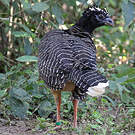
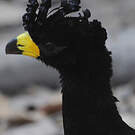
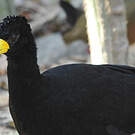
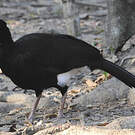
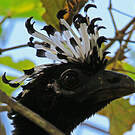
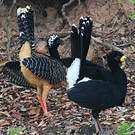
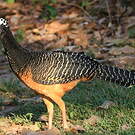
Bare-faced Curassow
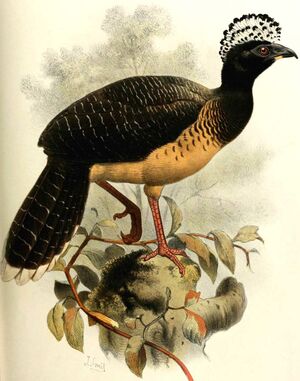
Crax fasciolata - Hocco à face nue
Systematics
-
Order:
Galliformes
-
Family:
Cracidés
-
Genus:
Crax
-
Species:
fasciolata
Descriptor
Biometrics
- Size: 85 cm
- Wingspan: -
- Weight: 2,2 à 2,7 kg
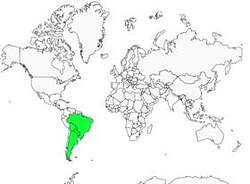
Geographic range
Identification
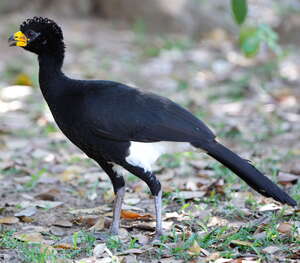
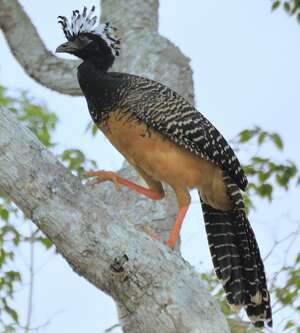
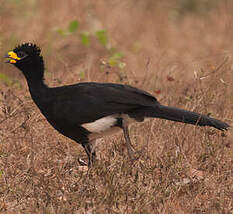
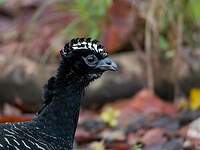
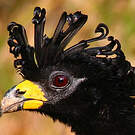
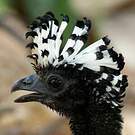
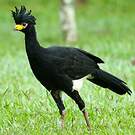
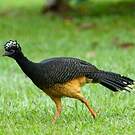
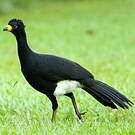
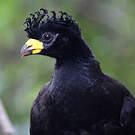
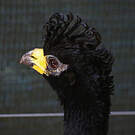
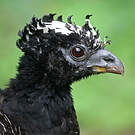
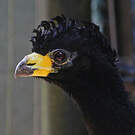
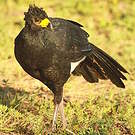
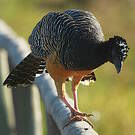
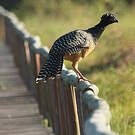
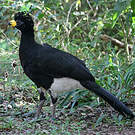
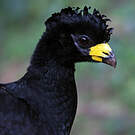
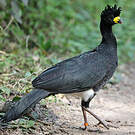
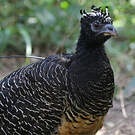
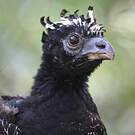
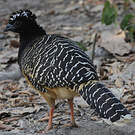
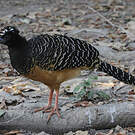
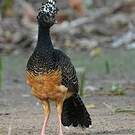
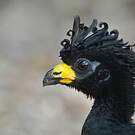
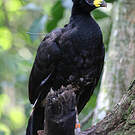
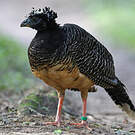
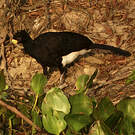
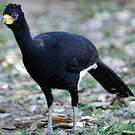
Bare-faced Curassow (Crax fasciolata) is a species of bird in the Cracidae family.
Subspecific information 3 subspecies
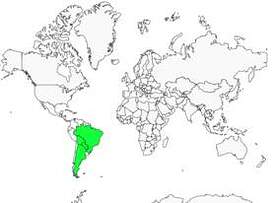
- Crax fasciolata fasciolata (c and sw Brazil, Paraguay, ne Argentina)
- Crax fasciolata pinima (ne Brazil)
- Crax fasciolata grayi (e Bolivia)
Foreign names
- Hocco à face nue,
- Pavón muitú,
- mutum-do-cerrado,
- Nacktgesichthokko,
- csupaszarcú hokkó,
- Maskerhokko,
- Hocco faccianuda,
- gulnäbbad hocko,
- Krøllhokko,
- hoko kučeravý,
- hoko žlutozobý,
- Nøgenmasket Hokko,
- kaljunaamahokko,
- hoco de cara nua,
- czubacz gołolicy,
- Гололицый кракс,
- ハゲガオホウカンチョウ,
- 裸脸凤冠雉,
- 裸臉鳳冠雉,
Habitat
Forest : Subtropical/Tropical Dry, Subtropical/Tropical Moist Lowland
Threats - protection
IUCN conservation status
Extinct
Threatened
Least
concern
concern
Extinc
in the Wild
in the Wild
Near
threatened
threatened
Not
evaluated
evaluated
EX
EW
CR
EN
VU
NT
LC
NE
Sources of information
- Vol. 2 - Handbook of the Birds of the World, Josep del Hoyo-Andrew Elliot--Jordi Sargatal
- Birds of Northern South America, an identification guide, Robin Restall, Clemencia Rodner, Miguel Lentino
- Arthur Grosset's Birds, Arthur Grosset
- Avibase, Lepage Denis
- BirdLife International, BirdLife International
- IOC World Bird List (v15.1), Gill, F and D Donsker (Eds). 2025-12-07.
Other sources of interest

- Accipitriformes
- Aegotheliformes
- Anseriformes
- Apodiformes
- Apterygiformes
- Bucerotiformes
- Caprimulgiformes
- Cariamiformes
- Casuariiformes
- Charadriiformes
- Ciconiiformes
- Coliiformes
- Columbiformes
- Coraciiformes
- Cuculiformes
- Eurypygiformes
- Falconiformes
- Galliformes
- Gaviiformes
- Gruiformes
- Leptosomiformes
- Mesitornithiformes
- Musophagiformes
- Nyctibiiformes
- Opisthocomiformes
- Otidiformes
- Passeriformes
- Pelecaniformes
- Phaethontiformes
- Phoenicopteriformes
- Piciformes
- Podargiformes
- Podicipediformes
- Procellariiformes
- Psittaciformes
- Pterocliformes
- Rheiformes
- Sphenisciformes
- Steatornithiformes
- Strigiformes
- Struthioniformes
- Suliformes
- Tinamiformes
- Trogoniformes